
 Shop All Products
 Shop Offers
 Health Combos
 Free Nutritionist Consultation
 Blog
Blog Login
Login
Dysmenorrhea - Painful Periods | Menstrual Cramps | Lower Abdominal Pain
Dysmenorrhea, commonly experienced as painful periods or menstrual cramps, is one of the most frequent concerns among women of reproductive age. While occasional discomfort is normal, for many, the pain becomes intense enough to interfere with daily life. This pain results from strong uterine contractions triggered by prostaglandins, hormone-like compounds that rise sharply during menstruation.
What Is Dysmenorrhea?
Dysmenorrhea refers to pain during menstruation. It may feel like cramping, pulling, twisting, or a sharp ache in the lower abdomen, back, or thighs.
Primary Dysmenorrhea -
Primary dysmenorrhea occurs without any physical abnormality. Pain is caused mainly by increased prostaglandin release, leading to stronger uterine muscle contractions. It is more common in adolescents and usually improves with age.
Secondary Dysmenorrhea -
Secondary dysmenorrhea occurs due to an underlying condition such as fibroids, endometriosis, adenomyosis, or pelvic inflammatory disease (PID).
How Prostaglandins Trigger Menstrual Cramps?
Prostaglandins are hormone-like chemicals responsible for stimulating uterine contractions. High levels restrict blood flow, worsen cramps, and increase period pain intensity.
Causes of Dysmenorrhea
Research shows that women with elevated prostaglandin F2α experience up to 50% stronger uterine contractions, resulting in more severe pain.
Causes of Primary Dysmenorrhea -
-
Increased prostaglandin levels
-
Emotional stress and anxiety
-
Lack of physical activity
-
Family history of painful periods
Causes of Secondary Dysmenorrhea -
-
Fibroids: Benign growths in the uterus made of muscular and fibrous tissue.
-
Endometriosis: Growth of endometrial tissue outside the uterus, often causing severe cramps unrelieved by simple medications.

-
Pelvic Inflammatory Disease (PID): Inflammation caused by infection, leading to pain before and during menses.
-
Adenomyosis: When the uterine lining grows into the muscle wall, it causes heavy bleeding and intense cramps.
Risk Factors
Women with high stress, anxiety, or poor lifestyle habits may experience stronger menstrual cramps and more severe dysmenorrhea episodes.
Symptoms of Dysmenorrhea
Physical Symptoms
-
Colicky, cramp-like lower abdominal pain
-
Pain radiating to the thighs or lower back
-
Nausea, vomiting, diarrhea
-
Fatigue, dizziness, stomachache
-
Burning sensations in hands and feet
Emotional & Systemic Symptoms
-
Irritation
-
Headache
-
Anxiety
-
Hypersensitivity to sound or light
Primary vs Secondary Dysmenorrhea
-
Primary: Pain begins with the onset of menses and reduces as bleeding progresses.
-
Secondary: Pain starts 3–5 days before periods, persists through menstruation, and continues for several days after.
How is Dysmenorrhea Diagnosed?
A medical evaluation becomes essential if pain feels unusually intense, persistent, or different from previous cycles.
Ultrasound
Helps detect fibroids, ovarian cysts, or adenomyosis.
Pelvic Examination (PV)
Assesses tenderness, infections, or structural abnormalities.
When to See a Doctor for Menstrual Pain?
Seek evaluation if:
-
Pain disrupts daily routine
-
Over-the-counter medicines don’t help
-
Pain starts after age 25–30
-
You suspect endometriosis or PID
Conventional & Medical Treatments
NSAIDs (Aspirin, Ibuprofen, Naproxen)
These work by blocking prostaglandins and are considered first-line treatment for menstrual cramps.
Safety & Side Effects
They may cause gastric discomfort, diarrhea, or acidity when used frequently.
Hormonal Treatment Options (General)
Oral contraceptives or hormonal therapies may be prescribed in secondary dysmenorrhea. Decision should always be guided by a gynecologist.
Ayurvedic Perspective and Traditional Remedies
Ayurveda attributes menstrual pain to aggravated Vata, which disrupts the natural flow and causes spasms. Several classical herbs are mentioned for supporting menstrual comfort:
-
Ashoka (Saraca indica): traditionally used for uterine health
-
Lodhra (Symplocos racemosa): balances the reproductive system
-
Nagarmotha (Cyperus scariosus): referenced in Ayurvedic texts for cramp relief
-
Aam Bhingi (Mangifera indica): green fruit known historically for menstrual discomfort
Classical preparations such as Ashokarishtha have been used for generations to support menstrual health and balance.
Natural Ways to Reduce Menstrual Cramps
Food and lifestyle changes can help significantly.
-
Ginger, for example, has been shown in clinical research to reduce menstrual pain by 34%, performing comparably to NSAIDs in relieving primary dysmenorrhea
-
Similarly, omega-3 fatty acids were found to reduce cramp severity by 22% in young women
-
Magnesium also plays a role in muscle relaxation, with studies showing improvement in 42% of participants after supplementation
Helpful dietary and home strategies include:

-
Drinking ginger infusion
-
Eating magnesium-rich foods: spinach, nuts, whole grains
-
Including omega-3 sources like flaxseed
-
Adding cinnamon to foods
-
Eating more fiber-rich vegetables
-
Staying well hydrated
-
Applying a hot water bag to the lower abdomen
-
Practicing yoga, stretching, and breathing techniques
A traditional oil blend, equal parts mustard oil and castor oil, massaged onto the lower abdomen, may also offer warmth and comfort.
Supplements to Manage Menstrual Pain
Women who struggle with nutrient gaps, fatigue around menstruation, or irregular cycles sometimes explore plant-based or micronutrient support under medical guidance. A gentle daily tonic such as Cureveda Women Elixir may be used for overall reproductive well-being.
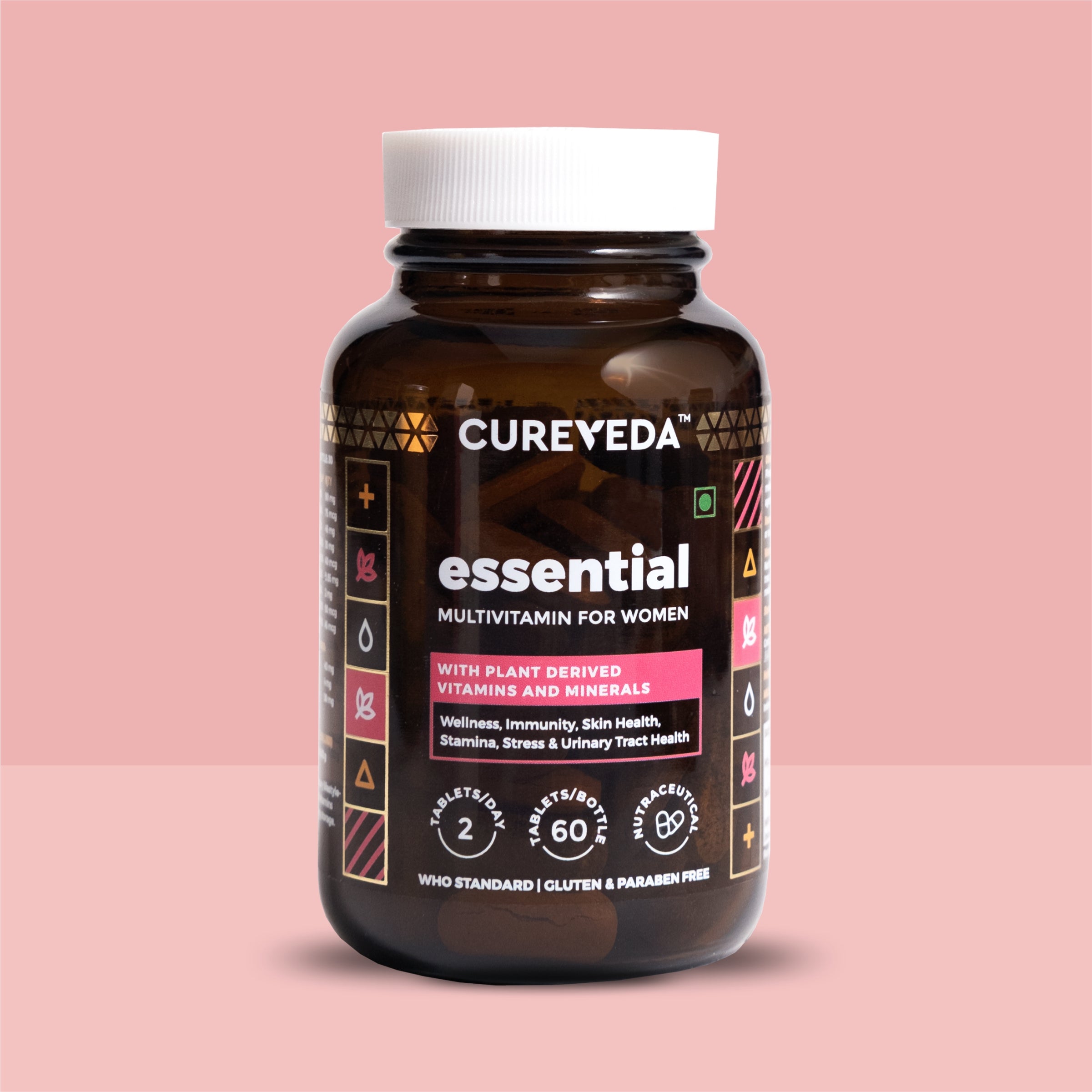
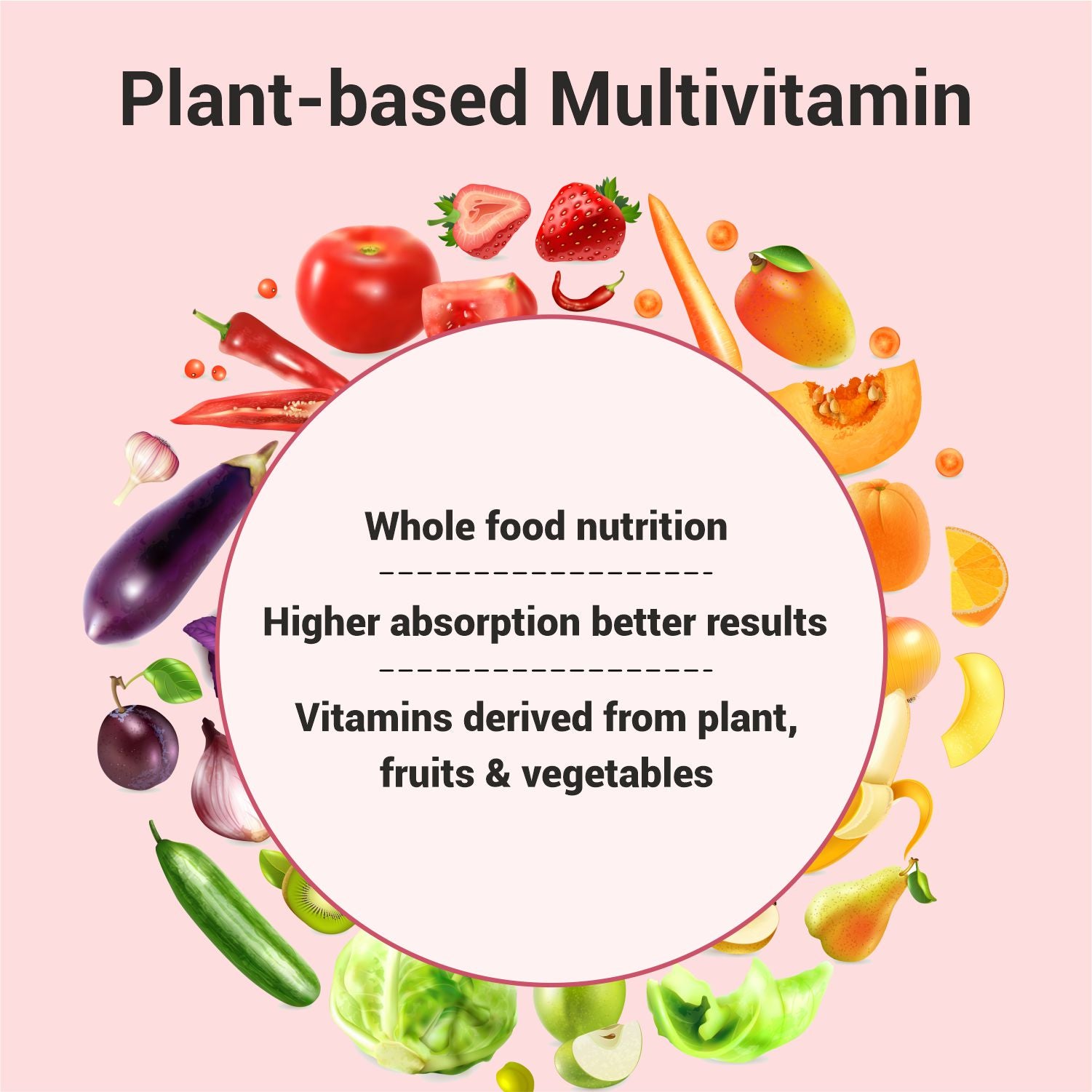
A balanced multivitamin like Cureveda Essential Multivitamin for Women can help bridge everyday nutritional gaps. These are optional considerations and should always be used after consulting a healthcare professional, especially for individuals with existing medical conditions.
Preventing and Managing Pain Long Term
Simple practices adopted consistently can reduce periodic discomfort over time:
-
Managing stress through mindfulness
-
Avoiding strenuous activity during menstruation
-
Maintaining regular sleep
-
Eating anti-inflammatory foods
-
Tracking menstrual patterns
-
Staying physically active throughout the month
Understanding your cycle empowers you to identify abnormal changes early and seek timely care when necessary.
FAQs
1. What causes dysmenorrhea?
Dysmenorrhea is mainly caused by excess prostaglandins that trigger strong uterine contractions, leading to intense menstrual cramps and painful periods.
2. How do I know if my period pain is normal?
Normal cramps improve with rest and medicines, while severe or persistent pain, especially starting later in life, requires medical evaluation.
3. How can I reduce severe menstrual cramps fast?
Use heat therapy, gentle stretching, ginger tea, hydration, and NSAIDs if appropriate, while identifying underlying causes through proper medical guidance.
4. What are symptoms of primary dysmenorrhea?
Primary dysmenorrhea includes crampy abdominal pain, backache, nausea, fatigue, dizziness, and discomfort beginning with menstruation and easing as flow decreases.
5. Which foods relieve menstrual pain naturally?
Magnesium-rich greens, fiber-rich vegetables, ginger, cinnamon, and omega-3 sources help reduce inflammation and support natural menstrual pain relief.
6. When should I see a doctor for dysmenorrhea?
Seek medical help when pain disrupts daily activities, appears suddenly after youth, resists simple medication, or accompanies heavy bleeding or irregular cycles.