
 Shop All Products
 Shop Offers
 Health Combos
 Free Nutritionist Consultation
 Blog
Blog Login
Login
Dysfunctional Uterine Bleeding (DUB): Symptoms, Causes & Remedies
Dysfunctional uterine bleeding (DUB) is a common gynecological condition affecting women’s health. It refers to abnormal uterine bleeding without any identifiable organic, systemic, or structural cause. In medical terms, dysfunctional uterine bleeding involves excessive or irregular bleeding from the uterus, usually exceeding 80 ml of blood loss per menstrual cycle.
DUB in gynecology is frequently associated with hormonal imbalance and can significantly impact a woman’s physical health, leading to anemia, weakness, and reduced quality of life.
What is Dysfunctional Uterine Bleeding (DUB)?
The full form of DUB is Dysfunctional Uterine Bleeding. In gynecology and medical terminology, DUB describes abnormal uterine bleeding that occurs in the absence of pregnancy, tumours, infections, or structural abnormalities of the uterus.
DUB uterus-related bleeding may present as:
-
Menorrhagia (heavy menstrual bleeding)
-
Polymenorrhagia (frequent menstrual cycles)
-
Metrorrhagia (irregular intermenstrual bleeding)
-
Continuous bleeding preceded by amenorrhea
Causes of DUB
Dysfunctional uterine bleeding (DUB) is primarily caused by a hormonal imbalance that disrupts the normal menstrual cycle. These causes vary with age and are commonly related to ovulatory or anovulatory patterns in gynecology. Dysfunctional uterine bleeding affects about 5% of menstruating women worldwide, especially around menarche and perimenopause.
Anovulatory Cycles
-
Responsible for nearly 85% of DUB cases
-
Common in adolescents and premenopausal women
-
Characterized by painless, irregular bleeding
Ovulatory Cycles
-
Account for approximately 15% of cases
-
Seen in women aged 20–40 years
-
Often associated with DUB menorrhagia
Mental Anxiety
-
Mental anxiety, such as stress and emotional imbalance, can disrupt hormonal regulation, contributing to dysfunctional uterine bleeding.
DUB in Gynecology: Histological Patterns
Histological findings in dysfunctional uterine bleeding may include:
-
Proliferative endometrium during the secretory phase
-
Persistent secretory endometrium
-
Endometrial hyperplasia due to chronic anovulation
These patterns reflect prolonged estrogen stimulation without adequate progesterone opposition.
Metropathia Haemorrhagica:
Metropathia haemorrhagica is a form of DUB that involves painless bleeding and is commonly observed in adolescence and during premenopausal states. In one clinical series, menorrhagia was the most frequent DUB symptom, seen in over 56% of patients.
Groups Affected by DUB:
-
Adolescent Group: 11–19 years
-
Maturity Group: 20–40 years
-
Premenopausal Group: Above 40 years
Symptoms of DUB and DUB Anemia
In a study of 120 women with DUB, anemia was present in 82.5% of cases, with moderate anemia most common. The most common symptoms of DUB include:
-
Menorrhagia (heavy and prolonged menstrual bleeding)
-
Irregular menstrual cycles
-
Passage of blood clots
Prolonged dysfunctional uterine bleeding often leads to DUB anemia, with symptoms such as:
-
Weakness and fatigue
-
Breathlessness on exertion
-
Pallor and reduced stamina
Clinical examination typically reveals anemia without evidence of systemic disease.
Management of DUB:
Management of dysfunctional uterine bleeding focuses on controlling excessive bleeding, correcting hormonal imbalance, and preventing complications such as anemia. The approach varies based on age, severity of symptoms, and underlying causes identified in the gynecological evaluation. Abnormal uterine bleeding among reproductive-aged women worldwide ranges from 3% to 30%, often including DUB cases.
Lifestyle & Mental Health
Meditation and stress management are recommended to reduce hormonal imbalance caused by anxiety.
Dietary Recommendations Based on Body Weight
For Underweight Patients:
-
Increase food intake to gain 5–10 kg
-
Consume boiled water
-
Engage in daily walking
For Overweight or Obese Patients:
-
Aim to lose 5–10 kg
-
Avoid rice, potatoes, sweets, butter, ghee, and cold drinks
-
Drink boiled water
-
Maintain a daily walking routine
Adolescent girls with menorrhagia and suspected blood disorders should consult a hematologist.
Herbal Remedies for DUB
Several herbs are traditionally used as a remedy for uterine bleeding in dysfunctional uterine bleeding:
-
Paeonia lactiflora (Paeony Root): Effective in controlling menorrhagia
-
Styptic Herbs: Yarrow and Witch-Hazel help reduce excessive bleeding
-
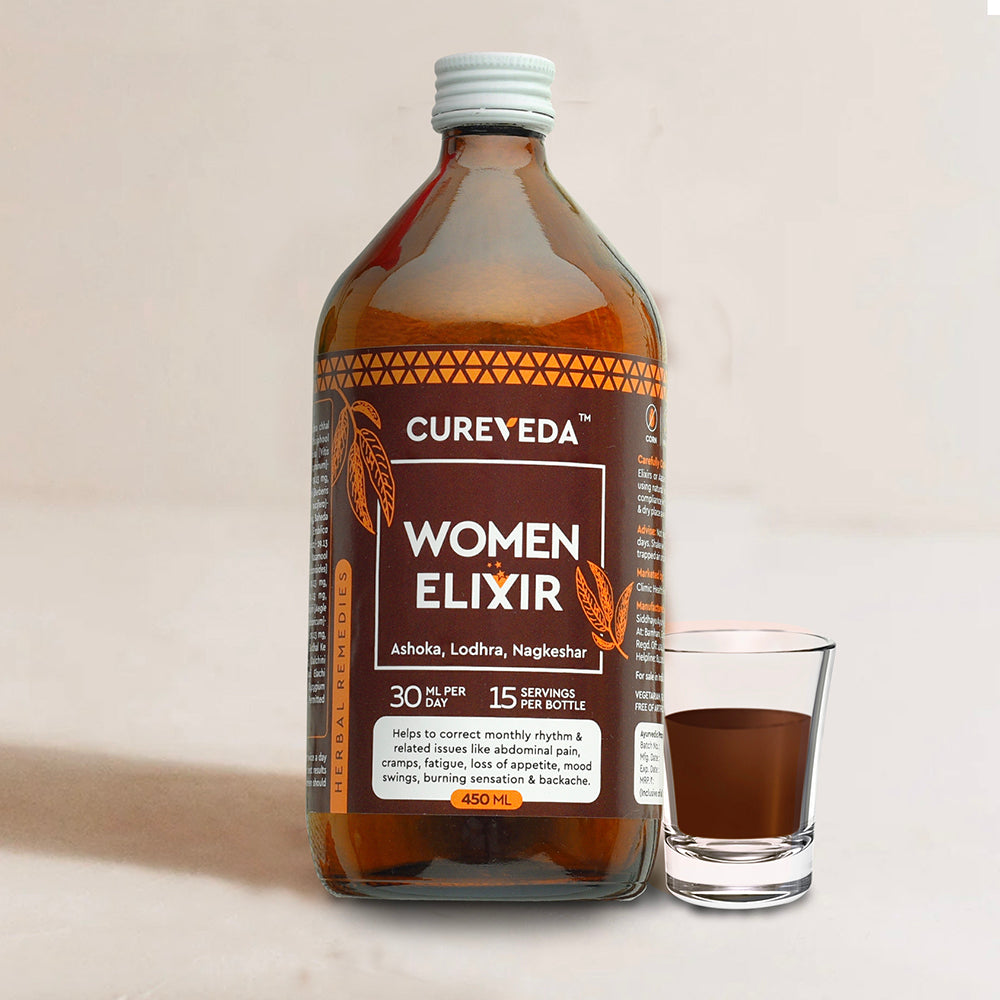
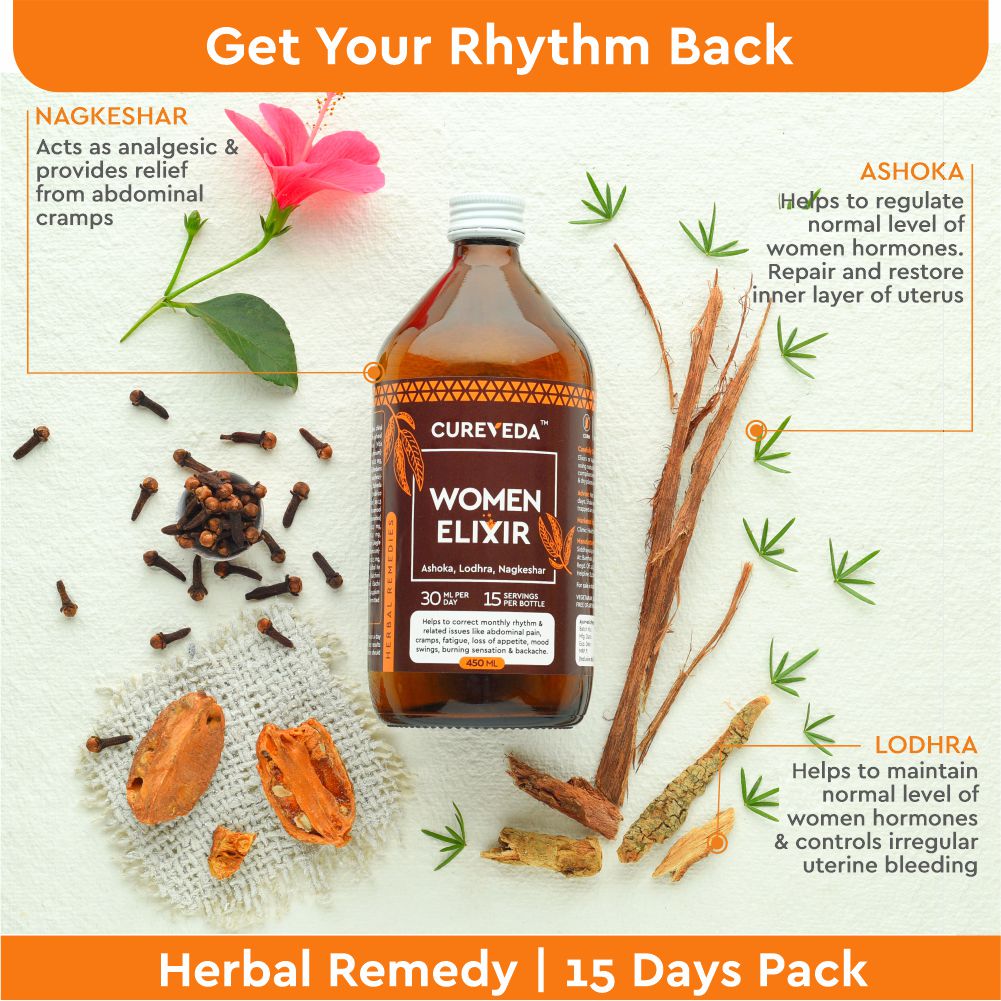
Saraca indica (Ashoka): Anti-inflammatory and estrogenic; supports endometrial repair
-
Symplocos racemosa (Lodhra): Astringent and antimicrobial; useful in menorrhagia
-
Mesua ferrea (Nagkeshar): Astringent and emmenagogue
-
Caesalpinia sappan (Patangkashta): Strong astringent for uterine bleeding
-
Gum of Silk Cotton Tree (Mochras): Styptic and astringent; commonly used in DUB
Vata Kulantak Ras in DUB
Vata Kulantak Ras is an Ayurvedic formulation traditionally used in gynecological disorders involving vata imbalance. Under professional supervision, it may be prescribed in dysfunctional uterine bleeding to support hormonal balance and control excessive bleeding.
Natural Home Remedies for DUB:
Natural home remedies for dysfunctional uterine bleeding aim to support hormonal balance, improve iron levels, and reduce excessive menstrual blood loss. These remedies are best used as supportive measures alongside medical or Ayurvedic guidance.
-
Consume iron-rich foods along with vitamin C and vitamin A
-
Include cooked banana flour with curd in meals
-
Drink fresh amla juice daily
-
Consume red raspberry tea, strawberry, orange, and lemon juice
-
Include eggs, beans, and green leafy vegetables
-
Consume 2–3 cloves of garlic daily
-
Ashok (Saraca indica) decoction may help control uterine bleeding
Note: Always consult an Ayurvedic physician before consuming herbal or natural remedies to determine the appropriate dosage.
Conclusion
DUB in women’s health is a significant but manageable condition when identified early. Proper diagnosis, lifestyle changes, medical supervision, and supportive herbal remedies can help control dysfunctional uterine bleeding and prevent complications such as anemia.
FAQs
1. What is the full form of DUB in gynecology?
The full form of DUB in gynecology is Dysfunctional Uterine Bleeding, which refers to abnormal uterine bleeding without an identifiable organic cause.
2. What are the common symptoms of DUB?
Symptoms of DUB include menorrhagia (heavy periods), irregular menstrual cycles, prolonged bleeding, and symptoms of anemia such as fatigue and breathlessness.
3. Can dysfunctional uterine bleeding cause anemia?
Yes, prolonged or heavy dysfunctional uterine bleeding can lead to iron-deficiency anemia due to excessive and repeated blood loss.
4. What is the best remedy for uterine bleeding in DUB?
Management of DUB may include lifestyle changes, dietary correction, medical treatment, and supportive herbal remedies under professional supervision.
5. Is DUB common in women’s health?
Yes, DUB is a common gynecological condition affecting women’s health, especially during adolescence and the premenopausal age group.