
 Shop All Products
 Shop Offers
 Health Combos
 Free Nutritionist Consultation
 Blog
Blog Login
Login
The Role of Healthy Fats in Cardiovascular Wellness
For decades, fats have been misunderstood and often blamed for heart problems. The word “fat” itself has created fear around food choices, especially for people concerned about heart health. However, scientific research now confirms that healthy fats for cardiovascular wellness are not only safe but essential.
The right types of fats help reduce inflammation, support healthy cholesterol levels, and maintain proper heart function. Understanding which fats to include and which to avoid can significantly improve long-term cardiovascular health.
Why Healthy Fats Are Essential for Cardiovascular Wellness?
Fats play a vital role in the body. They provide sustained energy, support cell structure, aid in hormone production, and help absorb fat-soluble vitamins like A, D, E, and K. When sourced correctly, heart-healthy fats improve lipid balance and support blood vessel health.
On the other hand, unhealthy fats may increase LDL (bad cholesterol), promote plaque buildup, and elevate the risk of heart disease. This makes choosing the right fats a crucial part of a cardiovascular health diet. Replacing 1 % energy from trans fats with polyunsaturated fats reduced the ratio of total to HDL cholesterol by ~0.67 units.
Understanding Different Types of Dietary Fats
Dietary fats are broadly categorized into four types:
-
Monounsaturated fats
-
Polyunsaturated fats
-
Saturated fats
-
Trans fats
Among these, monounsaturated and polyunsaturated fats are considered beneficial for heart health, while trans fats and excessive saturated fats should be limited.
Best Fats for Heart Health
Not all fats are harmful to your heart. In fact, some fats play a protective role by supporting healthy cholesterol levels and promoting long-term cardiovascular wellness. In a meta-analysis of 149,051 people, omega-3 fatty acids reduced cardiovascular mortality by ~7% and coronary events by ~9%.

1. Monounsaturated Fats (MUFAs)
Monounsaturated fats are widely recognized as good fats for heart health. They help reduce LDL cholesterol while maintaining or improving HDL (good cholesterol), supporting overall cardiovascular wellness.
Natural sources include:
-
Almonds, peanuts, cashews
-
Avocados
-
Olive oil
Replacing refined oils and butter with olive oil is one of the simplest dietary changes for improving heart health.
2. Polyunsaturated Fats (PUFAs)
Polyunsaturated fats are essential fats that support both heart and brain function. They help lower triglycerides and may contribute to healthy blood pressure levels.
Food sources include:
-
Fatty fish such as salmon, sardines, and mackerel
-
Walnuts
-
Flaxseeds and chia seeds
-
Sunflower seeds
Studies suggest that replacing saturated fats with polyunsaturated fats can significantly reduce the risk of cardiovascular disease.
3. Omega-3 Fatty Acids
Omega-3 fatty acids are among the best fats for heart health due to their anti-inflammatory properties. They support arterial flexibility, healthy heart rhythm, and overall cardiovascular function. Among CVD patients, the highest total omega-3 intake was inversely linked with 37 % lower cardiovascular-specific mortality.
Sources include:
-
Fatty fish
-
Walnuts
-
Flaxseeds
-
Fish oil
People who do not consume enough omega-3-rich foods may benefit from dietary support that complements a heart-healthy lifestyle.
4. Omega-6 Fatty Acids (Consume in Balance)
Omega-6 fatty acids support normal growth and brain function. However, excessive intake, especially without adequate omega-3, may contribute to inflammation.
Common sources include:
-
Nuts
-
Soybean oil
-
Sunflower oil
Maintaining a balanced omega-3 to omega-6 ratio is key to cardiovascular wellness.
Fats to Avoid for Heart Health
Just as some fats protect your heart, others can increase the risk of cardiovascular problems. Knowing which fats to avoid helps you make smarter food choices and safeguard long-term heart health. A 2 % increase in energy from trans fats was associated with a 23 % higher risk of cardiovascular events.
Trans Fats
Trans fats are commonly found in fried foods, packaged snacks, baked goods, and margarine. These fats raise bad cholesterol and lower good cholesterol, increasing the risk of heart disease.
Excess Saturated Fats
Saturated fats are present in red meat, processed meats, butter, and full-fat dairy products. While small amounts may be acceptable, excessive intake can negatively impact heart health.
How to Include Heart-Healthy Fats in Your Daily Diet?
Higher polyunsaturated vs saturated fat intake was linked to a ~25 % lower cardiovascular disease occurrence in adults with type-2 diabetes.
Simple dietary changes can greatly enhance cardiovascular wellness:
-
Choose soaked almonds or walnuts instead of fried snacks.
-
Include fatty fish at least twice a week.
-
Use olive oil or small amounts of homemade ghee instead of refined vegetable oils.
-
Add avocados to salads or meals.
-
Reduce excess salt and use herbs and spices for flavour.
-
Focus on whole foods rather than processed options.
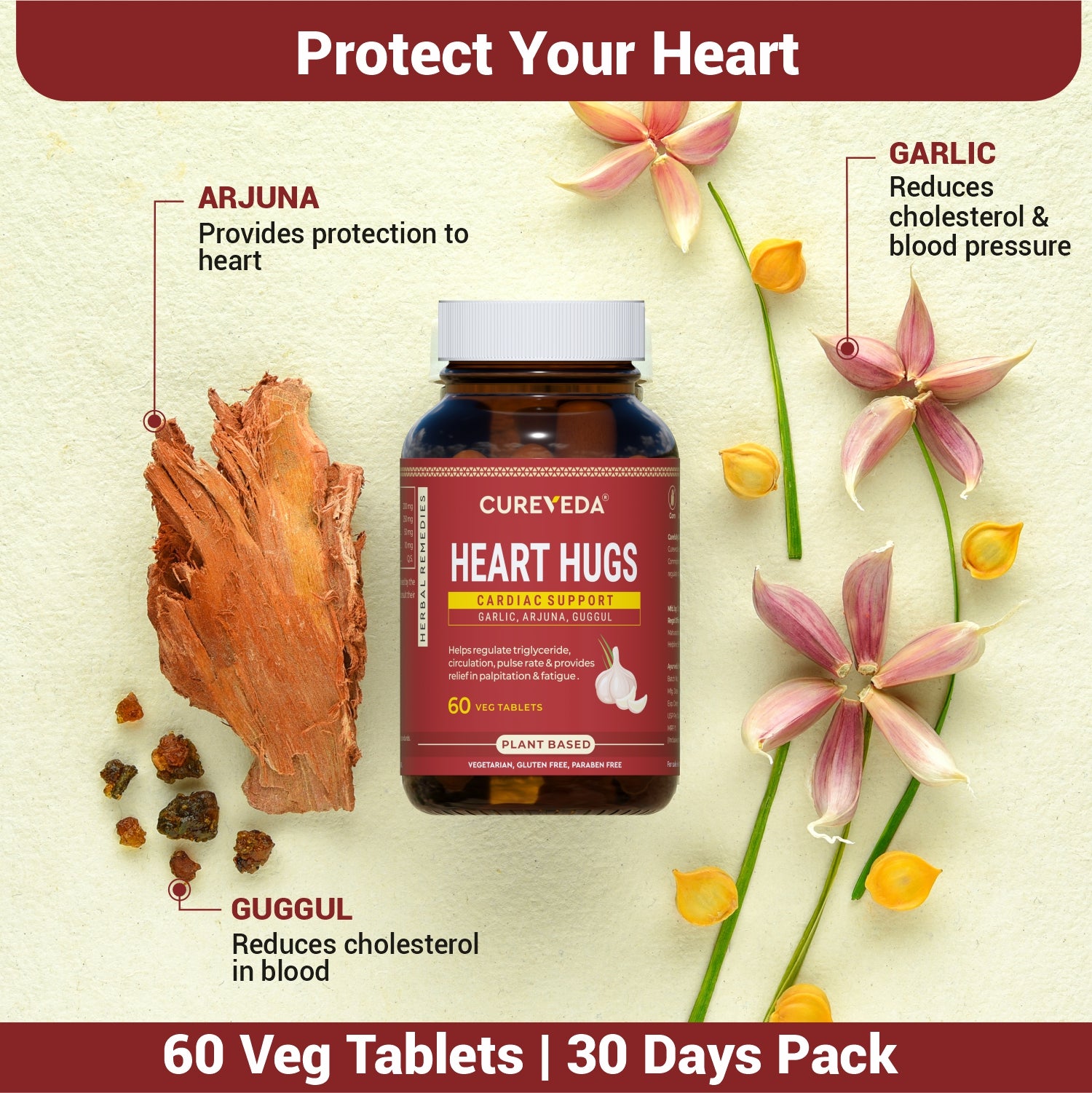
Along with diet, certain traditional ingredients like garlic extract and guggul are known to support cholesterol balance and healthy blood pressure. These ingredients are commonly used in Ayurvedic formulations designed to support heart health.
Supporting Cardiovascular Wellness Beyond Diet
While nutrition plays a major role in heart health, long-term cardiovascular wellness also depends on healthy lifestyle habits. Factors such as weight management, physical activity, and regular health monitoring work together to support optimal heart function.

Maintain a Healthy Weight
Excess body weight, especially abdominal fat, increases the risk of high blood pressure, diabetes, and cholesterol imbalance. Even modest weight loss can positively impact heart health.
Regular Health Monitoring
Tracking blood pressure, lipid profile, and blood sugar levels helps identify risk factors early and supports preventive care.
Prevent Infections
Good oral hygiene and timely vaccinations may help reduce inflammation that can indirectly affect cardiovascular health.
Holistic Support for Heart Health
While diet and lifestyle form the foundation of heart health, some individuals choose Ayurvedic heart-support formulations as part of a holistic wellness approach.
-
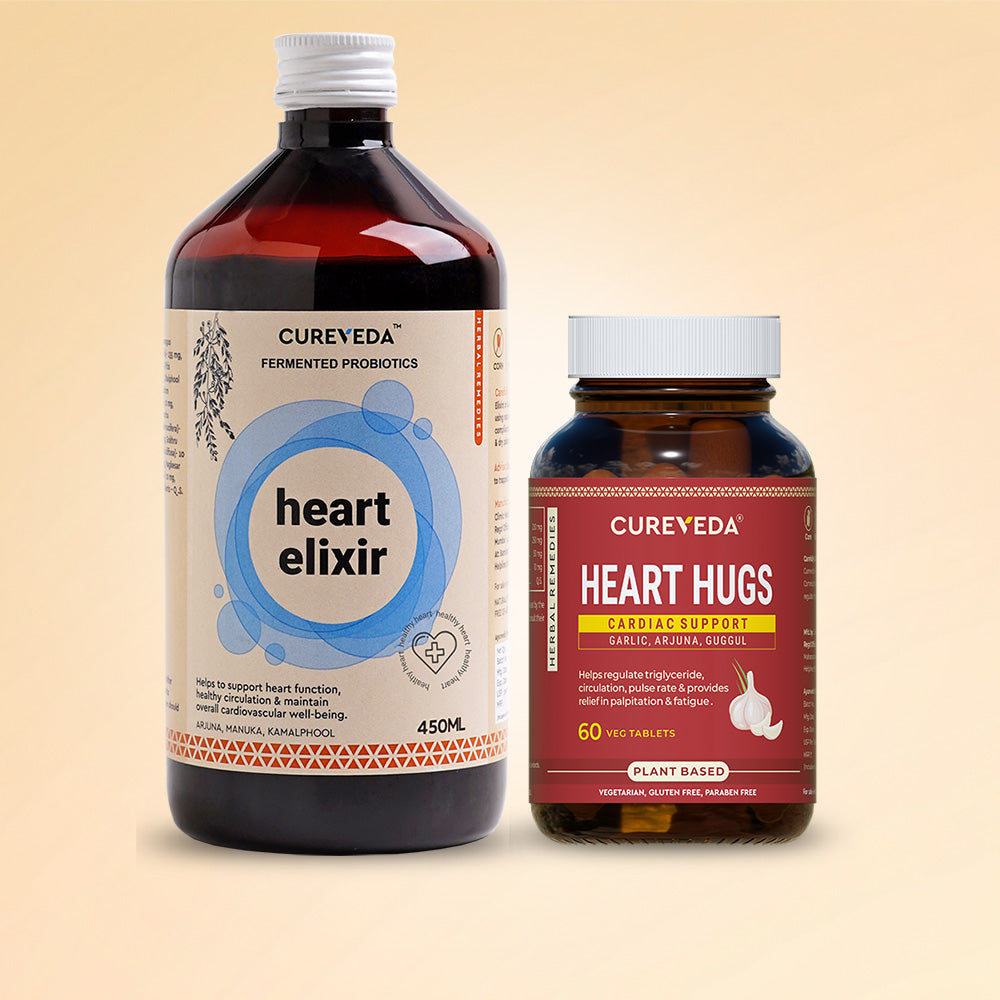
Cureveda Heart Elixir is formulated with traditionally known herbs that support cardiac function, stamina, and circulation.
-
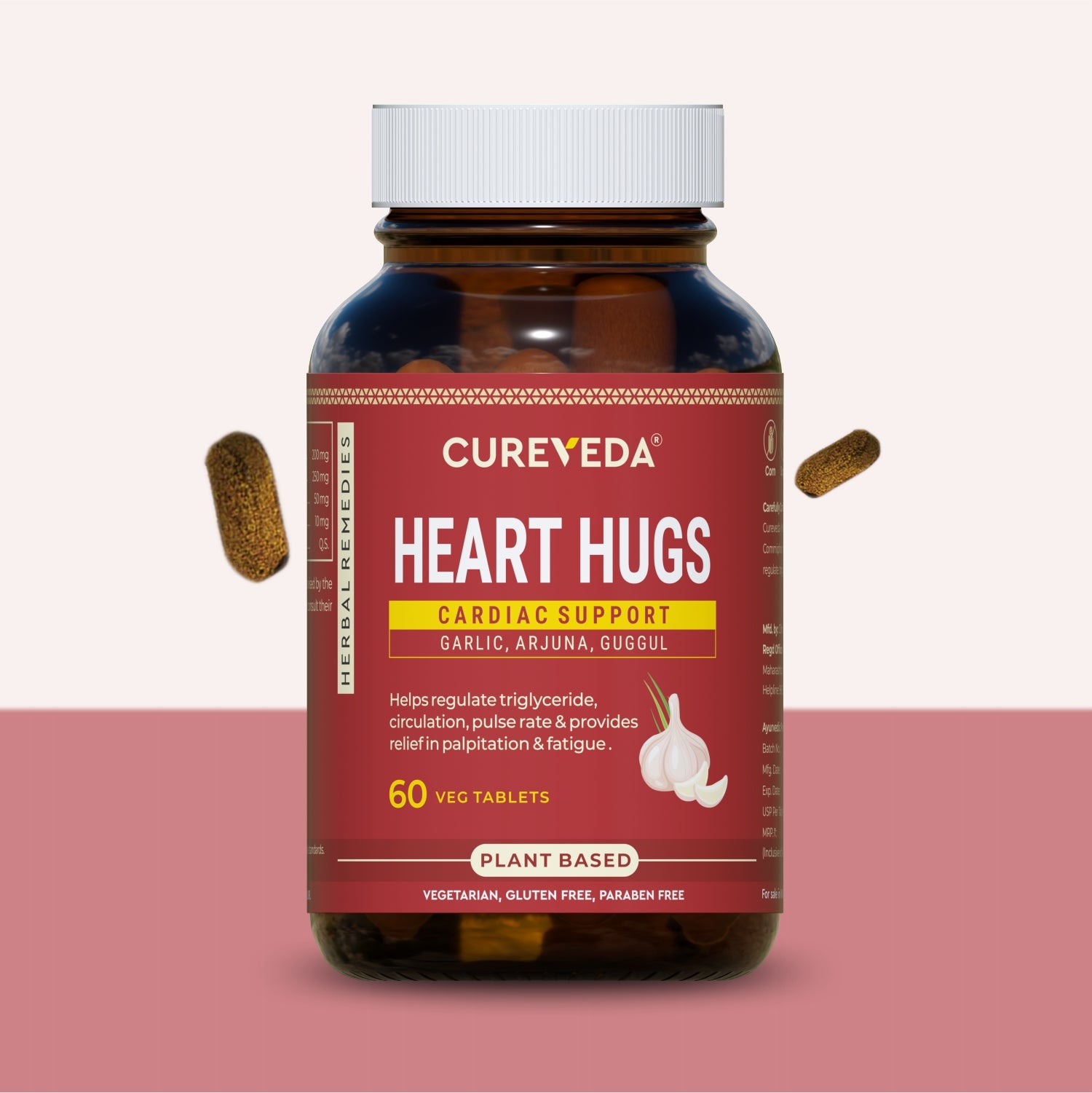
Cureveda Heart Hugs contains ingredients that help maintain healthy cholesterol levels and support overall heart wellness.
-
Cureveda Heart Health Pack offers a combined approach for those seeking comprehensive cardiovascular support alongside a healthy diet and lifestyle.
These formulations are designed to complement, not replace, balanced nutrition and medical guidance.
Conclusion
Understanding the role of healthy fats in cardiovascular wellness empowers you to make better dietary choices. By including heart-healthy fats such as monounsaturated fats, polyunsaturated fats, and omega-3 fatty acids while limiting trans fats and excessive saturated fats, you can actively support your heart.
Combined with regular physical activity, weight management, and mindful nutrition, these small changes can lead to long-term cardiovascular health and overall well-being.
FAQs
1. What are the best fats for heart health?
Monounsaturated fats, polyunsaturated fats, and omega-3 fatty acids are considered the best fats for heart health as they support healthy cholesterol levels and reduce inflammation.
2. Are all fats bad for cardiovascular health?
No. While trans fats and excessive saturated fats may increase heart disease risk, healthy fats are essential for cardiovascular wellness and overall health.
3. How often should omega-3 fatty acids be consumed?
Omega-3-rich foods like fatty fish are generally recommended at least twice a week as part of a heart-healthy diet.
4. Can dietary changes alone support heart health?
Diet plays a major role, but optimal heart health also depends on regular exercise, weight management, stress control, and routine health check-ups.
5. Can Ayurvedic supplements be used alongside a heart-healthy diet?
Yes, Ayurvedic formulations like Cureveda Heart Elixir or Heart Hugs may be used as supportive wellness options when combined with a balanced diet and healthy lifestyle, under professional guidance.