
 Shop All Products
 Shop Offers
 Health Combos
 Free Nutritionist Consultation
 Blog
Blog Login
Login
Protein Powder for Weight Loss: Does It Really Help You Lose Fat?
Protein powder for weight loss is often recommended as part of a healthy diet, but does it really help? The answer is yes when it's combined with a balanced diet, regular exercise, and a calorie deficit. Protein powder doesn't directly burn fat, but it can help you stay fuller for longer, maintain muscle, and make it easier to meet your daily protein needs.
With so much conflicting weight loss advice online, it's important to rely on science instead of trends. While whole foods should always be your primary source of protein, a good protein powder for weight loss can be a convenient option if you're struggling to meet your daily protein requirements.
In this guide, you'll learn whether protein powder helps with weight loss, how it supports healthy fat loss, and how to choose the best protein powder for weight loss based on your goals.
Does Protein Powder Help with Weight Loss?
The short answer is yes, but only when it's part of a healthy lifestyle. Protein powder doesn't directly burn body fat or cause weight loss on its own. Instead, it helps you increase your daily protein intake, making it easier to stay full, preserve lean muscle, and support a calorie deficit.
Whether you choose whey or plant-based protein, the benefits come from the protein itself, not the powder. If you're already meeting your protein needs through whole foods, you may not need a supplement.
However, if you're struggling to get enough protein from your diet, a quality protein powder can be a convenient addition to your routine.
A systematic review of 43 randomized controlled trials found higher-protein diets reduced body weight by an average of 1.6 kg compared with control diets.
To get the best results, pair protein powder with balanced meals, regular exercise, and healthy lifestyle habits rather than relying on it as a quick fix for weight loss.
How Protein Supports Healthy Weight Loss
If you're trying to lose weight, you may wonder whether protein powder for weight loss actually makes a difference. The answer is yes, but only when it's paired with a balanced diet and regular physical activity. Protein powder doesn't burn fat on its own.
Instead, it helps you meet your daily protein needs, making it easier to stay full, preserve muscle, and support a healthy calorie deficit.
Let's understand how protein supports weight loss.
1. Protein Has a High Thermic Effect
Whenever you eat, your body uses energy to digest, absorb, and process food. This process is called the Thermic Effect of Food (TEF).
Among the three macronutrients, carbohydrates, fats, and protein, protein requires the most energy to digest. In fact, your body uses around 20–30% of protein calories during digestion, compared with 5–10% for carbohydrates and 0–3% for fats.
Although this doesn't cause dramatic fat loss on its own, it slightly increases your daily calorie expenditure. Over time, this can support your overall weight loss efforts when combined with a calorie-controlled diet.
2. Protein Keeps You Feeling Full for Longer
One of the biggest challenges during weight loss is managing hunger. Protein helps because it digests more slowly than many carbohydrate-rich foods, allowing you to stay satisfied for longer.
It also supports the release of hormones that promote fullness while reducing the hormone responsible for stimulating hunger. As a result, you may experience fewer cravings and find it easier to avoid unnecessary snacking.
When you naturally eat fewer calories without feeling deprived, maintaining a calorie deficit becomes much more manageable. A meta-analysis of 49 randomized trials found protein significantly reduced hunger while increasing fullness, with GLP-1 increasing by 21 ng/mL after higher protein intake.
3. Protein Helps Preserve Lean Muscle
Losing weight doesn't always mean losing only body fat. Without enough protein, your body may also break down muscle tissue, especially during a calorie deficit. A meta-analysis of 105 randomized trials involving 5,402 participants showed that increasing protein intake significantly improved lean body mass during training.
Getting enough protein helps preserve lean muscle, particularly when combined with strength training or regular exercise. This is important because muscle tissue burns more calories than fat tissue, even when your body is at rest.
By protecting muscle while encouraging fat loss, protein powder and weight management can work together to improve body composition instead of simply reducing the number on the scale.
4. Makes It Easier to Meet Your Daily Protein Needs
Many people struggle to get enough protein from food alone. Busy schedules, dietary preferences, reduced appetite, or limited food choices can make it difficult to reach the recommended daily intake.
A good protein powder for weight loss offers a convenient way to increase protein intake without spending extra time preparing high-protein meals. It can be added to smoothies, oats, yogurt, or simply mixed with water or milk, making it easier to stay consistent with your nutrition goals.
Key Takeaway: Protein powder doesn't directly burn fat, but it can support weight loss by helping you stay fuller, preserve muscle, and meet your daily protein needs more easily.
Natural Protein Sources vs. Protein Powder: Which Is Better for Weight Loss?
Whole foods should always be your primary source of protein because they provide essential vitamins, minerals, fibre, and other nutrients that support overall health. Foods such as pulses, lentils, dairy, eggs, lean meat, fish, soy products, and nuts are excellent choices for increasing your daily protein intake.
Research suggests adults generally require 0.8–1.2 g of protein per kilogram of body weight daily, with higher needs during weight loss and exercise.
However, meeting your protein requirements through food alone isn't always practical. Busy schedules, dietary restrictions, reduced appetite, or higher protein needs can make it difficult to consume enough protein every day. In such cases, protein powder for weight loss can be a convenient way to bridge the gap without replacing a balanced diet.
|
Natural Protein Sources |
Protein Powder |
|
Rich in vitamins, minerals, and fibre |
Convenient and quick to prepare |
|
Requires meal planning and cooking |
Easy to carry and consume on the go |
|
May not always meet higher protein needs |
Delivers a concentrated source of protein per serving |
|
Best for overall nutrition |
Helpful when dietary intake falls short |
The goal isn't to replace whole foods with supplements. Instead, use protein powder to complement your diet when you're unable to meet your daily protein requirements through meals alone.
Simple Ways to Increase Your Protein Intake Naturally
Before relying on supplements, try these easy ways to include more protein in your daily meals:
-
Include a protein-rich food with every main meal.
-
Eat dals, pulses, beans, dairy products, eggs, or lean meat regularly.
-
Add paneer, tofu, or sprouts to salads, curries, and sandwiches.
-
Replace processed snacks with roasted chana, makhana, almonds, or walnuts.
-
Mix curd into gravies or enjoy a bowl of yogurt as a snack.
-
Add soy flour or besan to wheat flour while making rotis.
-
Choose protein-rich drinks such as sattu or buttermilk instead of sugary beverages.
If these changes still aren't enough to meet your daily protein needs, adding a good protein powder for weight loss can be a practical and convenient option.
How to Choose the Best Protein Powder for Weight Loss
Not all protein powders are created equal. If your goal is healthy weight management, choosing the right supplement is just as important as increasing your protein intake. Studies indicate protein intakes between 18% and 30% of total daily calories are commonly associated with improved appetite control during weight management.
Some products contain added sugars, unnecessary fillers, or excess calories that may not support your weight loss goals.
When comparing options, look for these key features:
-
High protein content per serving to help meet your daily protein needs.
-
Low sugar and calorie content to support a calorie-controlled diet.
-
Clean ingredient list with minimal artificial additives or fillers.
-
Added fibre to help improve fullness and support digestion.
-
Plant-based or whey protein, depending on your dietary preferences and nutritional needs.
-
Third-party tested or quality-certified products for safety and ingredient transparency.
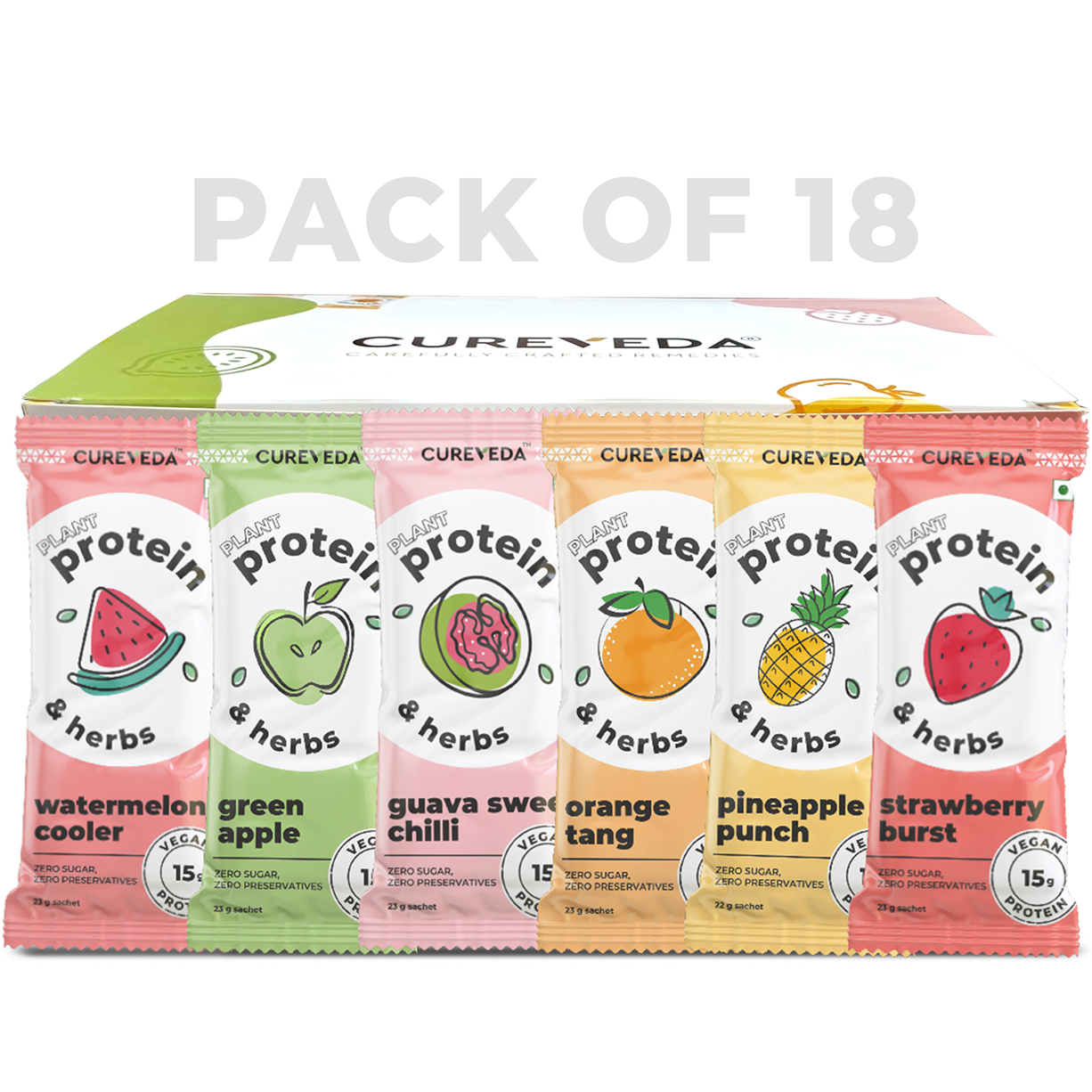
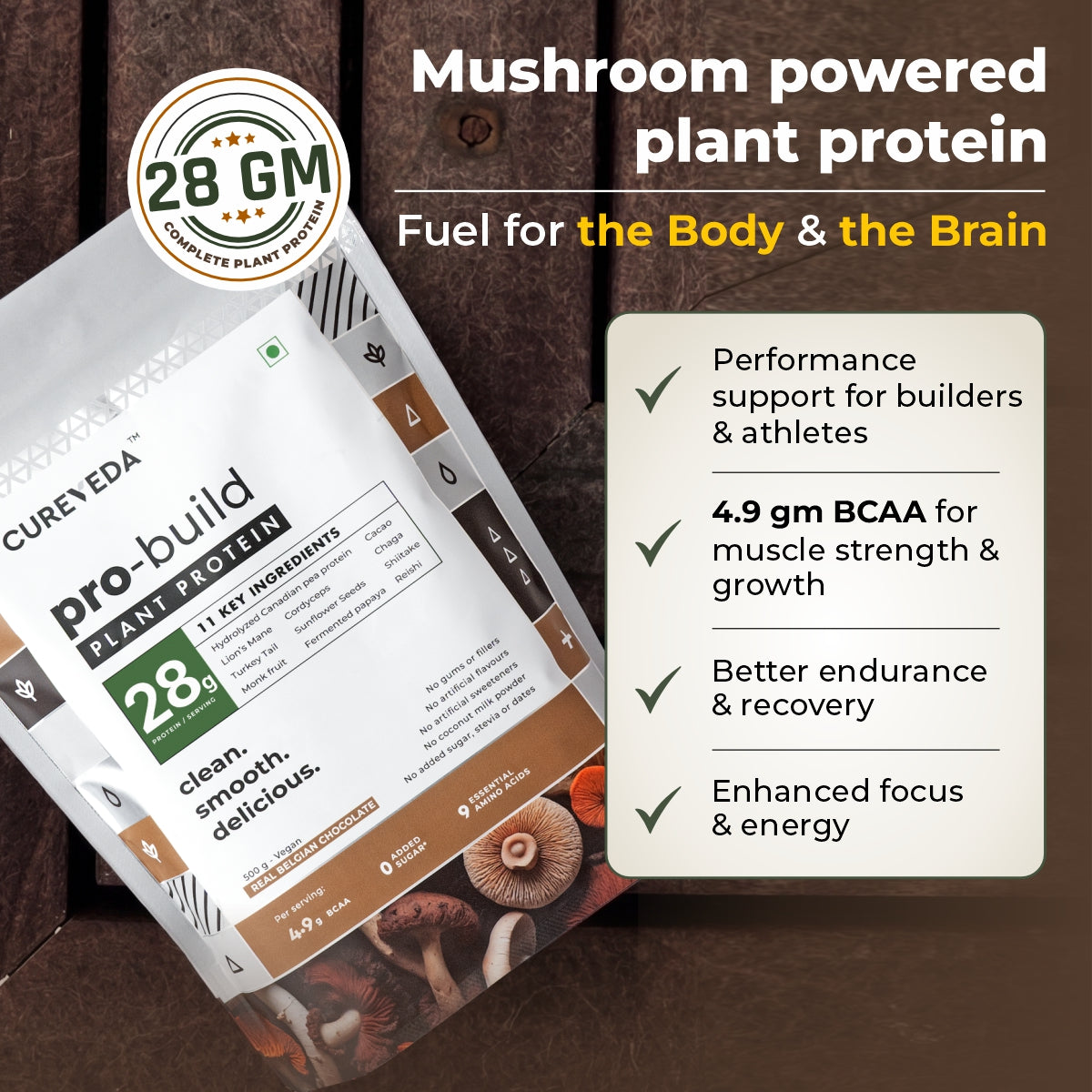
If you prefer plant-based nutrition, products such as Cureveda Pro Chia Plant Protein Powder, Cureveda Pro Build Plant Protein, and Cureveda Plant Protein & Herbs can help increase your daily protein intake. Each provides plant-based protein and can be used as part of a balanced diet to support your fitness or weight management goals. They work best when combined with healthy eating habits and regular physical activity, not as a replacement for nutritious meals.
Easy Ways to Include Protein Powder in Your Diet
Adding protein powder to your routine doesn't have to be complicated. Here are a few simple ideas:
-
Blend it into a smoothie with fruit and milk or a plant-based drink.
-
Stir it into oatmeal for a protein-rich breakfast.
-
Mix it with yogurt as a filling snack.
-
Enjoy it after a workout to support muscle recovery.
-
Use it between meals when you're unable to prepare a high-protein snack.
The best time to consume protein powder depends on your daily routine and total protein intake. What matters most is meeting your protein requirement consistently throughout the day.
Why Protein Powder May Not Help You Lose Weight
While protein powder for weight loss can support your goals, it isn't a magic solution. Drinking protein shakes without paying attention to your overall diet and lifestyle may actually make weight loss more difficult.
Here are some common mistakes to avoid:
1. Consuming More Calories Than You Burn
Protein powder still contains calories. If you add protein shakes to your usual diet without reducing calories elsewhere or increasing physical activity, you may end up consuming more calories than your body needs.
2. Choosing Protein Powders High in Sugar
Some protein powders contain added sugars, syrups, or high-calorie ingredients that increase the overall calorie content. Reading the nutrition label can help you choose a product that better supports your weight loss goals.
3. Using Protein Powder as a Replacement for Healthy Eating
Protein supplements should complement a balanced diet, not replace nutritious meals. Whole foods provide fibre, vitamins, minerals, and healthy fats that protein powder alone cannot offer.
4. Not Staying Physically Active
Protein supports muscle maintenance and recovery, but regular exercise is still essential for healthy weight loss. Combining strength training with regular physical activity can help improve body composition and support long-term results.
5. Ignoring Your Daily Protein Needs
Drinking more protein than your body requires won't automatically speed up weight loss. Focus on meeting your daily protein target based on your age, activity level, and health goals instead of consuming excessive amounts.
Remember: Protein powder is most effective when it complements a balanced diet, regular exercise, and an overall healthy lifestyle.
FAQs
1. Does protein powder help with weight loss?
Yes. Protein powder can support weight loss by helping you meet your daily protein needs, stay fuller for longer, and preserve lean muscle during a calorie deficit. However, it works best alongside a balanced diet and regular exercise.
2. Is protein powder good for weight loss?
Protein powder can be a good option if you struggle to meet your daily protein requirements through food alone. Choosing a product that is high in protein and low in added sugars can better support your weight loss goals.
3. What protein powder is best for weight loss?
The best protein powder is one that provides high-quality protein, contains minimal added sugar, fits your dietary preferences, and complements a healthy eating plan. Always check the ingredient list and nutrition label before buying.
4. Can I drink protein powder every day?
Yes. Most healthy adults can consume protein powder daily as part of a balanced diet, provided their total protein intake is appropriate for their age, activity level, and health needs.
5. Does protein powder burn belly fat?
No. Protein powder doesn't specifically burn belly fat. Fat loss occurs when you maintain a calorie deficit over time through healthy eating, regular exercise, and consistent lifestyle habits.